The most common kitchen remodel mistakes in Fort Worth are starting demolition before the plan is final, moving plumbing and gas lines you do not need to move, under-investing in cabinets to overspend on decor, skipping a contingency for older homes and shifting clay soil, ignoring Texas weather when scheduling the work, and over-improving past what your neighborhood supports. Avoiding these protects both your budget and your resale value. Here is what not to do, and what to do instead.
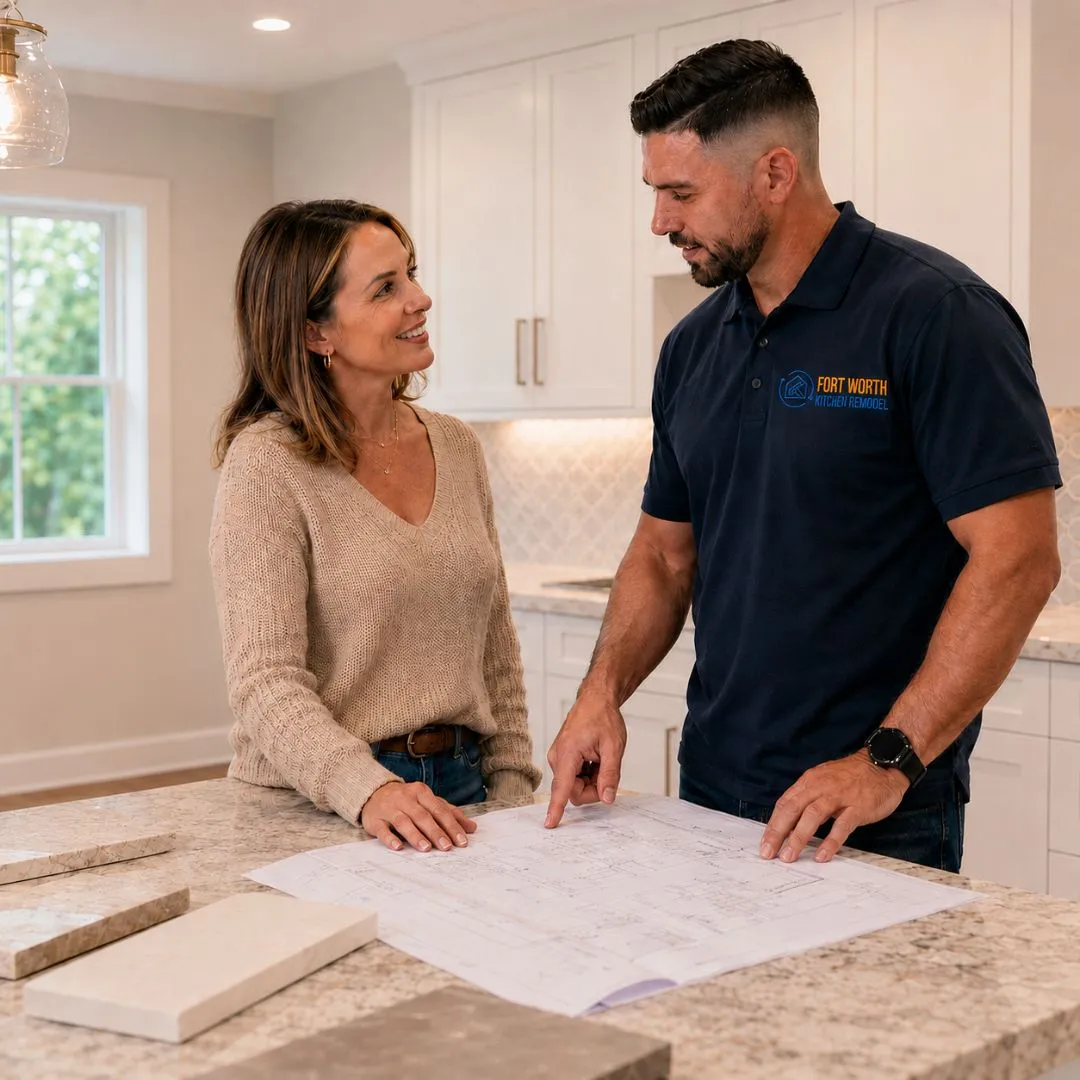
What are the most common kitchen remodel mistakes?
Most kitchen remodel regrets in Fort Worth come down to decisions about planning, budgeting, workflow, and timing rather than style. These are the mistakes we see most often, and how to avoid each one.
Starting demo before the plan is final
Changing the design mid-project is the fastest way to rack up delays and change-order costs. Lock the layout, cabinets, counters, and appliances before anyone swings a hammer.
Moving plumbing, gas, or walls you don't need to
Relocating the sink, range, or gas line is the single biggest cost driver, typically adding $2,000 to $8,000. Keep the existing layout unless there is a real functional reason to change it. Our Fort Worth cost guide breaks down what layout changes add.
Under-investing in cabinets to splurge on decor
Cabinets run 30% to 40% of the budget and set the tone of the whole kitchen. Cutting them to overspend on finishes is a trade-off you feel every day. Explore custom cabinetry options first.
Skipping a contingency
Industry guides treat a 15% to 20% contingency as essential for surprises behind the walls, and Fort Worth's shifting clay soil makes that buffer especially wise on older homes.
Ignoring Texas weather and timing
North Texas summers run past 100 degrees for weeks, and tile thinset and cabinets do not do well baking in a hot garage. Spring brings storms that delay any exterior tie-in work. Timing the job right saves money and headaches.
Overlooking clay soil and unlevel floors
The clay soil under most Fort Worth homes moves, so floors are rarely perfectly level. A good remodeler plans for it instead of discovering it mid-install.
Forgetting lighting and ventilation
Layered lighting and a properly sized range hood are easy to skip and expensive to add later. Build them into the electrical scope from the start.
Chasing trends that date fast
Bold, ultra-specific finishes can look tired within a few years. Prioritize function and durable materials, and keep the trends to things that are easy to change.
What do Fort Worth homeowners wish they knew before remodeling?
The most common thing homeowners say afterward is that they wish they had finished every decision before demolition and ordered their cabinets sooner. Planning is where a remodel is won or lost.
A few lessons come up again and again: decide everything, down to the hardware, before demo begins; order long-lead items like cabinets early so they are not the bottleneck; build a real contingency into the budget; and plan for living without a kitchen, since a mid-range remodel keeps the space out of service for several weeks. Setting up a temporary kitchen with a microwave, coffee maker, and mini-fridge in another room makes that stretch far easier, and our kitchen remodel timeline guide lays out how long each phase takes. If you are still shaping the scope, our kitchen remodeling overview and a quick estimate are good starting points.
What is the most expensive part of a kitchen remodel?
Cabinets are usually the single most expensive part of a Fort Worth kitchen remodel, generally 30% to 40% of the budget, followed by labor. Countertops, appliances, and flooring make up most of the rest.
Because cabinets drive the budget, they are also where smart choices pay off most. When the existing boxes are solid, refacing can transform the look for a fraction of full replacement, and it is worth weighing against new custom cabinetry. For a full breakdown of where the money goes and what each tier costs in Fort Worth, see our kitchen remodel cost guide.
When is the best time of year to remodel a kitchen in Fort Worth?
September through November is generally the best window in Fort Worth: cooler weather, low storm risk, and permit offices staffed before the year-end slowdown. The winter-into-spring stretch is also good for scheduling interior work, while the peak summer heat and spring storm season are the times to plan around.
Texas weather shapes the calendar more than most people expect. A local Fort Worth remodeling guide breaks the year into clear windows: April through June is storm season, which mainly threatens any exterior tie-in work; July and August bring the brutal heat, when materials do not store or cure well without a climate-controlled space; September through November is the sweet spot; and December is best avoided because suppliers slow down and inspections push. Interior-only projects can run year-round, and the late-fall through winter months can actually be easier to schedule and price because fewer contractors are chasing exterior work. Whatever the season, order your cabinets early, because lead times drive the timeline more than the weather.
Remodeling with resale in mind: what adds value and what to avoid
A well-planned kitchen remodel is one of the best home investments in Fort Worth, typically returning about 70% to 80% of its cost on a minor to mid-range project. The biggest resale mistake is over-improving past what comparable homes in your neighborhood support.
In Fort Worth's strong market, the highest-return upgrades are cabinet refacing or replacement, a quartz or granite countertop upgrade, and a stainless appliance package, while full gut renovations return a smaller share of their cost. Energy-efficient appliances are an easy win here, since Texas buyers value lower cooling and utility bills through the long summers. What quietly devalues a kitchen is the opposite: over-personalized finishes, poor function, and low-quality DIY work.
The over-improvement trap is the one to watch. As one Texas cost guide puts it, a $60,000 kitchen in a neighborhood of $250,000 homes will not recoup the same percentage as it would on a pricier street, because the neighborhood comp ceiling absorbs the excess. A high-end renovation makes sense in Southlake, Grapevine, or Flower Mound, while a clean mid-range update is usually the smarter play in more modest pockets of Arlington, Benbrook, or Mansfield. If you are remodeling specifically to sell, a targeted refresh often beats a full gut, so match the finish level to the street.
Which 2026 kitchen trends are worth it, and which to skip?
The safest 2026 choices are durable and timeless: warm neutral palettes, natural wood tones, and low-maintenance quartz. The trends to skip are the high-maintenance and ultra-specific ones that date quickly or narrow your future buyer pool.
Design is trending back toward warmer neutrals, wood tones, and satin or brushed finishes that age gracefully, along with quartz surfaces that stay low-maintenance in a busy kitchen. The mistake is treating trends as the goal. Choose materials for how they will look and perform in ten years, put the trendy touches into things that are cheap to change like paint and hardware, and lean on a thoughtful kitchen design and durable countertops to keep the space feeling current without a redo in five years. A lighter kitchen update or renovation is often all a newer suburban kitchen needs. See our full 2026 kitchen trends guide for what is in and out this year.
Plan first, remodel once
Nearly every mistake on this list traces back to the same root cause: starting before the plan was ready. Get the scope, selections, and budget right up front, time the work around Texas weather, match the finish level to your home and neighborhood, and a kitchen remodel becomes one of the best improvements you can make. Start with our kitchen remodeling overview, or get an estimate to talk through your project. Skipping permits belongs on the same list: our Fort Worth kitchen remodel permit guide explains what the city requires and what it costs you at resale if you skip it.

By Fort Worth Kitchen Remodel
Fort Worth Kitchen Remodel helps homeowners across Fort Worth and the surrounding areas plan kitchens, cabinetry, countertops, and full renovations, and connects them with vetted local remodelers. This guide reflects common planning and resale considerations for Fort Worth-area kitchens; every home is different, so use it as a starting point rather than a quote.